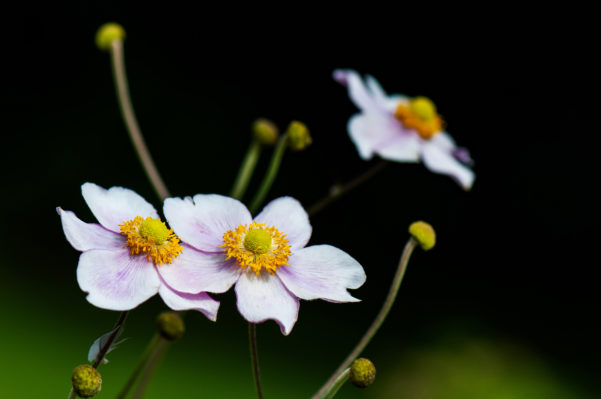
There is a fairly new shift in the landscape, particularly on the west coast. With the shortages of water and a desire for less maintenance, many are turning to a more natural looking landscape. Natural landscaping is the use of native plants, including trees, shrubs, groundcover, and grasses, which are indigenous to the geographic area of the landscape. Native plants are those plants that existed in a geographic region prior to European colonization of the country. Southern California has a Mediterranean type climate that allows for a diverse range of native plants. Some of the pros and cons that should be considered with going to native plants.
Natural landscaping has many pros and cons that should be considered.
Pros:
Natural landscaping has many benefits. Most native plants are drought-tolerant and can survive with little water. This not only helps with sustainability but also costs you less in water and maintenance fees. It frees up water during drought season for other uses, too. When water restrictions are implemented, native plants will survive where many other traditional plants will not. They require little to no fertilization and pesticides which helps protect the environment and reduces the need and added cost of maintenance. Natural landscaping usually doesn’t include turfs so mowing is minimal to nonexistent. As an added benefit, natural landscapes provide habitat for wildlife, welcoming them and helping to preserve the ecosystem. Many of these type plants attract hummingbirds, butterflies and can help deter deer and rabbits.
Cons:
Native plants differ from ornamental plants in terms of care and maintenance. Native plants have evolved based on California’s Mediterranean climate and have different needs. California summers are drought prone and many native plants do not require summer irrigation. Overwatering these plants in the summer can lead to root and crown rot. The same is true for fertilizing, as well. Most native plants don’t require fertilizer because they have evolved in low-nutrient soils.
Aesthetics can be somewhat of a disadvantage to natural landscaping if you are trying for a more polished, manicured look. There is also a smaller selection of native plants versus traditional ornamental plants, so choices may be limited in what can be used. Only select nurseries are even growing native plant material. While natural landscaping can promote wildlife habitation and benefit the local ecosystem, it can also be detrimental, if that wildlife is intrusive on the property. Lastly, some natural landscaping can cause a higher risk for damage during wildfires, as they can act more as fuel than some of the more tradition plants used in our landscapes.
What To Know:
Natural landscaping in Southern California flourishes in the Mediterranean climate, providing fragrant leaves and flowers, broad leaved evergreens, a profusion of annuals and summer dormancy where plants shut down their growth during drought season and restart with winter rains. Most native plants in southern California prefer full sun, although there are species that are suited to every kind of sun exposure. Most prefer well drained soils and require little to no maintenance. Planting should generally be done in fall or early winter to allow the development of a healthy root system and prepare for new growth and blooms in the spring. When planning a natural landscape, try to choose different plants that bloom in each season so you have year-round growth.
Some of the more common native plants in Southern California include: Heteromeles arbutifolia, many varieties of Rhus, Ceanothus, and Salvia, Artemsia californica, Achillea millefolium, Mimulus, and Dudleya.
Native landscaping can be a good solution to decreasing costs and increasing environmental impacts. Contact your Account Manager should you have any questions about if you should consider utilizing native landscaping at your property.