
Aeration is the process of removing areas (plugs) of soil and thatch in compacted turf to improve the overall health and appearance of grass. It’s an essential step in turf care, and now is a great time of year to aerate most grasses.
Here’s why you should have your property’s turf aerated:
- Improve water efficiency by allowing more nutrients in the water to penetrate the turf’s surface, reaching the roots deeper and with even distribution
- Further improve water usage by reducing waste from run-off and puddling
- Get the most from fertilization by allowing products to get into the root zone of turf, enhancing performance and lowering long-term maintenance and renovation costs
- Improve the overall health of the grass by allowing air to permeate the turf’s surface
- Reduce the risk of turf damage from summer’s hot temperatures and drought conditions
When’s the best time to aerate?
Most grass types here in San Diego will benefit from annual aeration during the Spring to early Summer months, but often again in the Fall for turf areas with more traffic. The timing of aeration is critical for optimum root growth and turf appearance, and should be avoided during warm season grass growth.
What to expect after aeration:
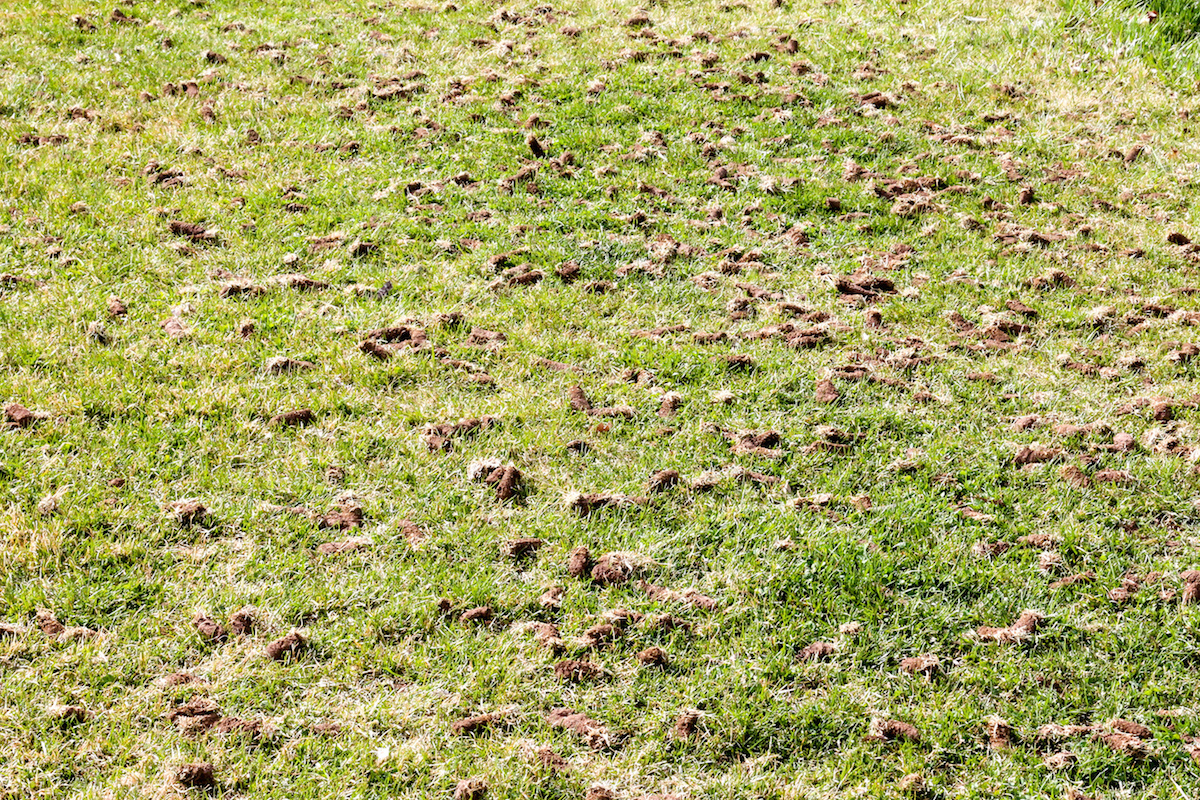
Initially, aeration will not improve your turf’s appearance. The process of aeration leaves plugs of soil and thatch throughout the turf but these extractions will breakdown within a couple of weeks and disappear into the grass. During this time, the aeration holes will begin to produce new root growth from the additional air and water the grass is receiving. You’ll start seeing an improvement in water absorption and reduced run-off or puddling, therefore almost immediately reducing water costs. Within a few weeks, turf will appear healthier and greener, and should significantly tolerate drought and heat conditions better than before aerating.
Want to know more about aeration? We’re here to help. Please reach out to your Account Manager, they’ll be able to answer your questions and alleviate any concerns you may have about your turf’s maintenance.